
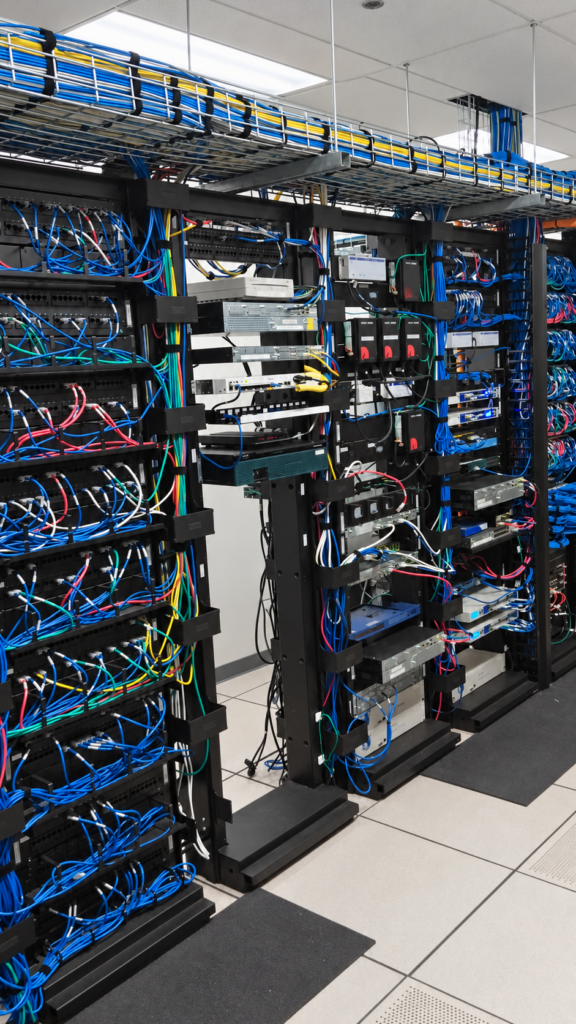
Drop the Router, Not the Traffic
Legacy edge routers are being decommissioned one at a time while routing, failover, and production traffic are validated after every cutover.
Field Notes by capability
Reports from commercial network, switching, firewall, Wi-Fi, fiber, and uptime projects across Reno-Sparks, Carson City, and Northern Nevada.
Legacy edge routers are being decommissioned one at a time while routing, failover, and production traffic are validated after every cutover.
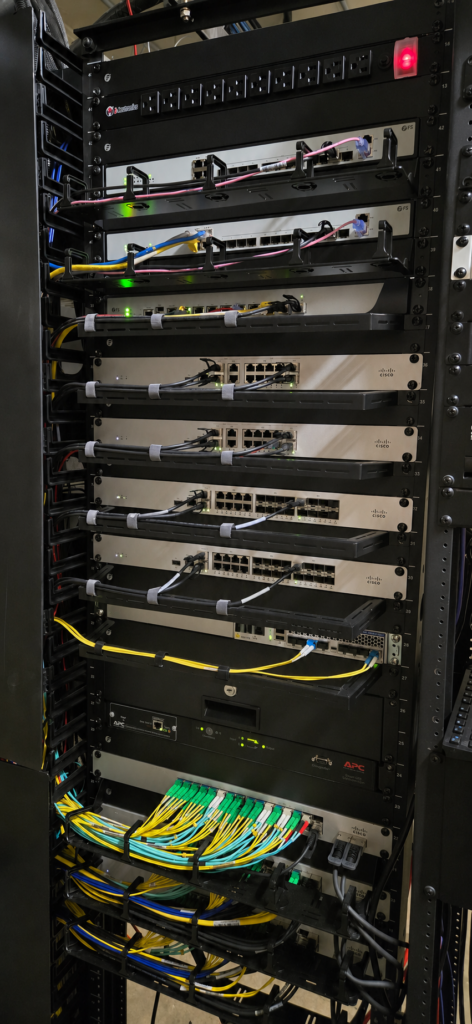
We replaced two Meraki MX250 security appliances without taking the site offline.
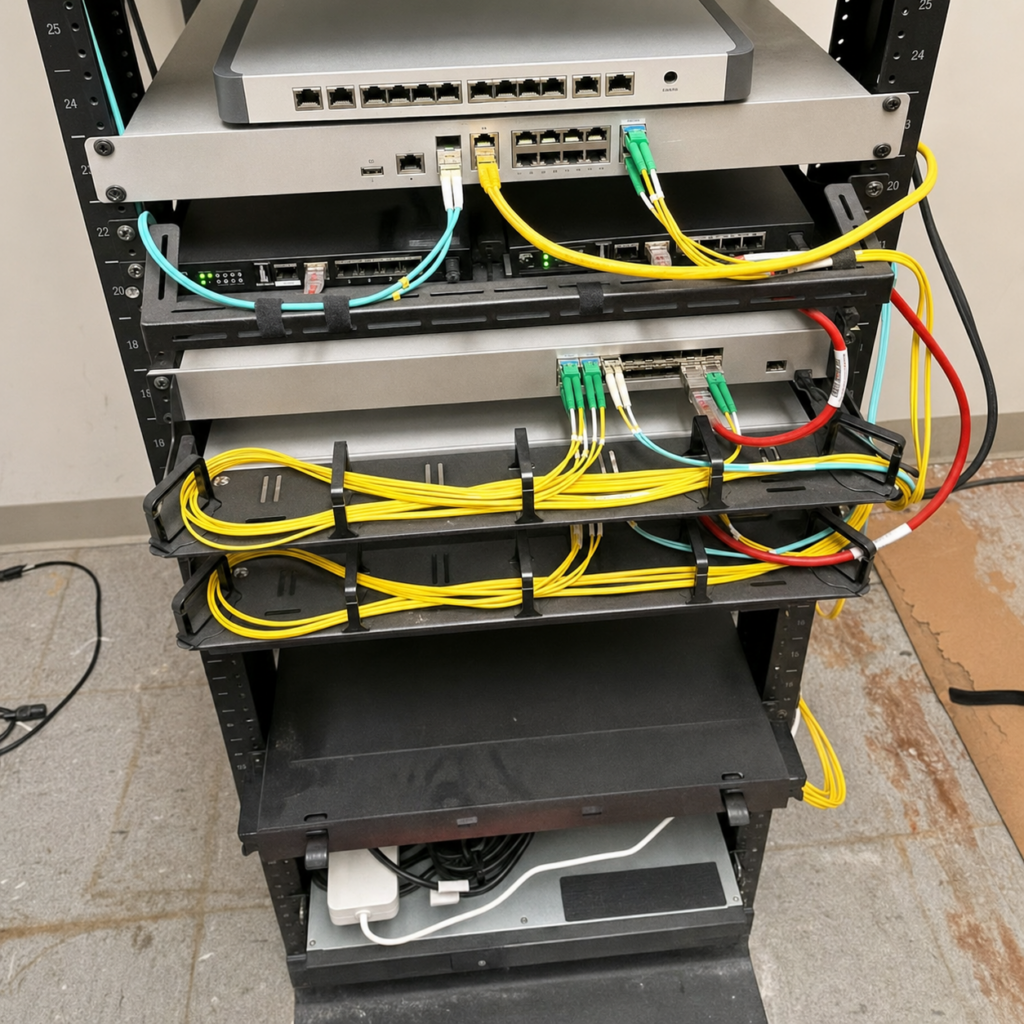
A six-month maintenance visit found the main IT closet in rough shape, with loose cabling, trash, and plenty of cleanup ahead.
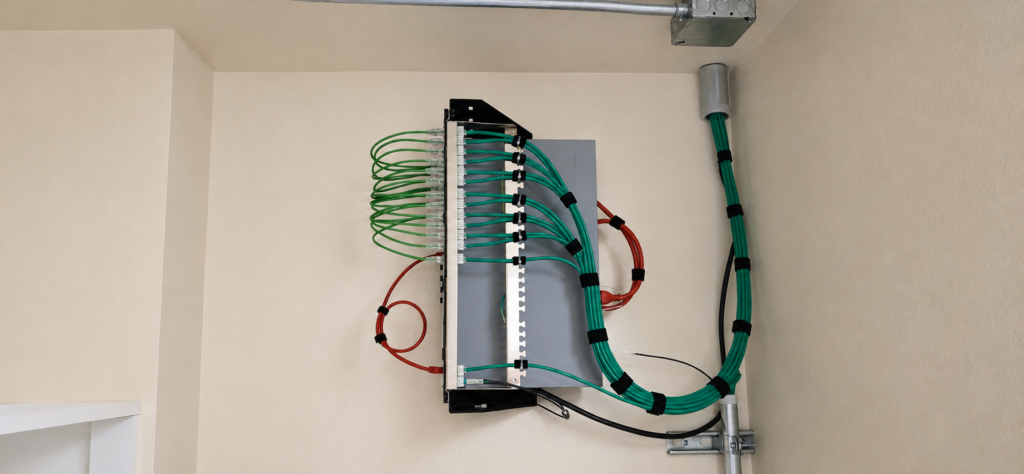
A newly installed hotel IDF supports 13 access points carrying guest Wi-Fi and room phones that replace an aging Mitel system.
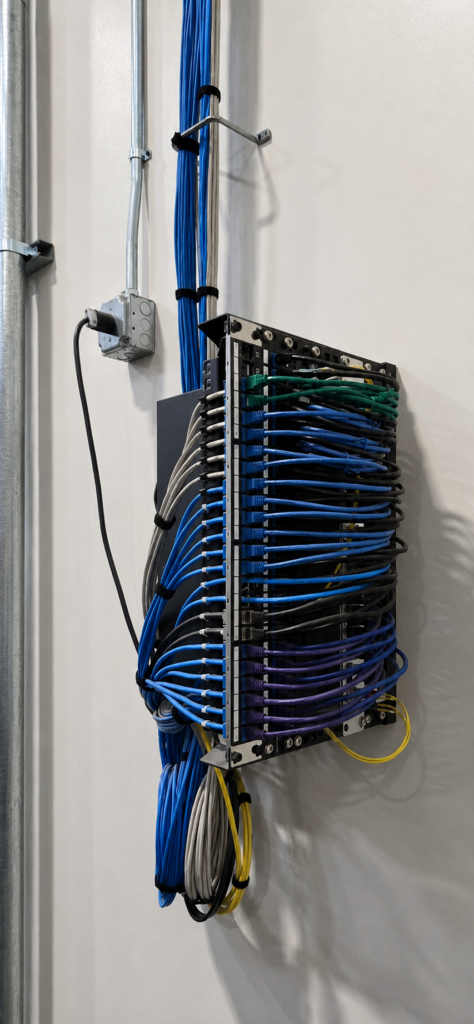
This warehouse IDF keeps switches toward the back and patching up front because new cable runs happen much more often than switch replacements.